
It's Not About The Answer
Some thoughts for the week to come...

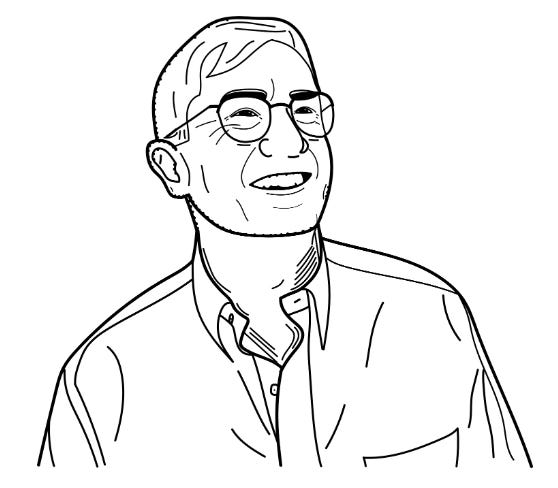
We live in a world obsessed with answers. Everyone wants to be right — instantly. A few taps on a smartphone, and we can “know” almost anything: who won the 1936 Masters, how to cook lamb ribs, or what Einstein said about imagination. But this addiction to instant certainty hides a deeper truth: the value of thinking lies not in the answer, but in the path we take to get there.
I learned this lesson years ago when one of my companies ran into a thorny legal issue. It was serious enough to keep me up at night — the kind of problem that could cost real money, maybe even the business itself. I turned to a friend who happened to be both a lawyer and, oddly enough, a philosopher. I expected him to provide a crisp legal opinion — statute, precedent, solution, done. Instead, he leaned back in his chair and said, “Before we decide what to do, let’s talk about what the problem really is.”
That threw me. I didn’t want to talk about the problem — I wanted to fix it. But over the next hour, he didn’t give me an answer at all. He asked questions. What was the intent behind the law? What values were at stake? What assumptions were we making? What if the real issue wasn’t legal but strategic? By the end of the conversation, the “problem” I thought I had was no longer the same. The actual solution was simpler, less expensive, and far more effective than the one I’d originally envisioned.
That’s when it hit me: my friend wasn’t solving legal problems. He was teaching me how to think.
A business mentor of mine once said, “The problem is never the problem — it’s how you think about the problem.” That’s the essence of this idea. The smartest people aren’t those who jump to an answer; they’re the ones who stay curious long enough to ask better questions. The process of thinking — of turning an issue over, exploring alternatives, debating with others — often reveals opportunities that the straight line to an answer would have missed.
Contrast that with how we operate today. Every conversation now seems to have an Internet referee. You know the type. You’re discussing whether Napoleon was short or whether coffee dehydrates you, and before anyone can speculate, someone pulls out their phone and says, “Actually…” That smug little “actually” ends the discussion. Everyone nods, the energy evaporates, and what could have been a lively exploration becomes a dull citation contest.
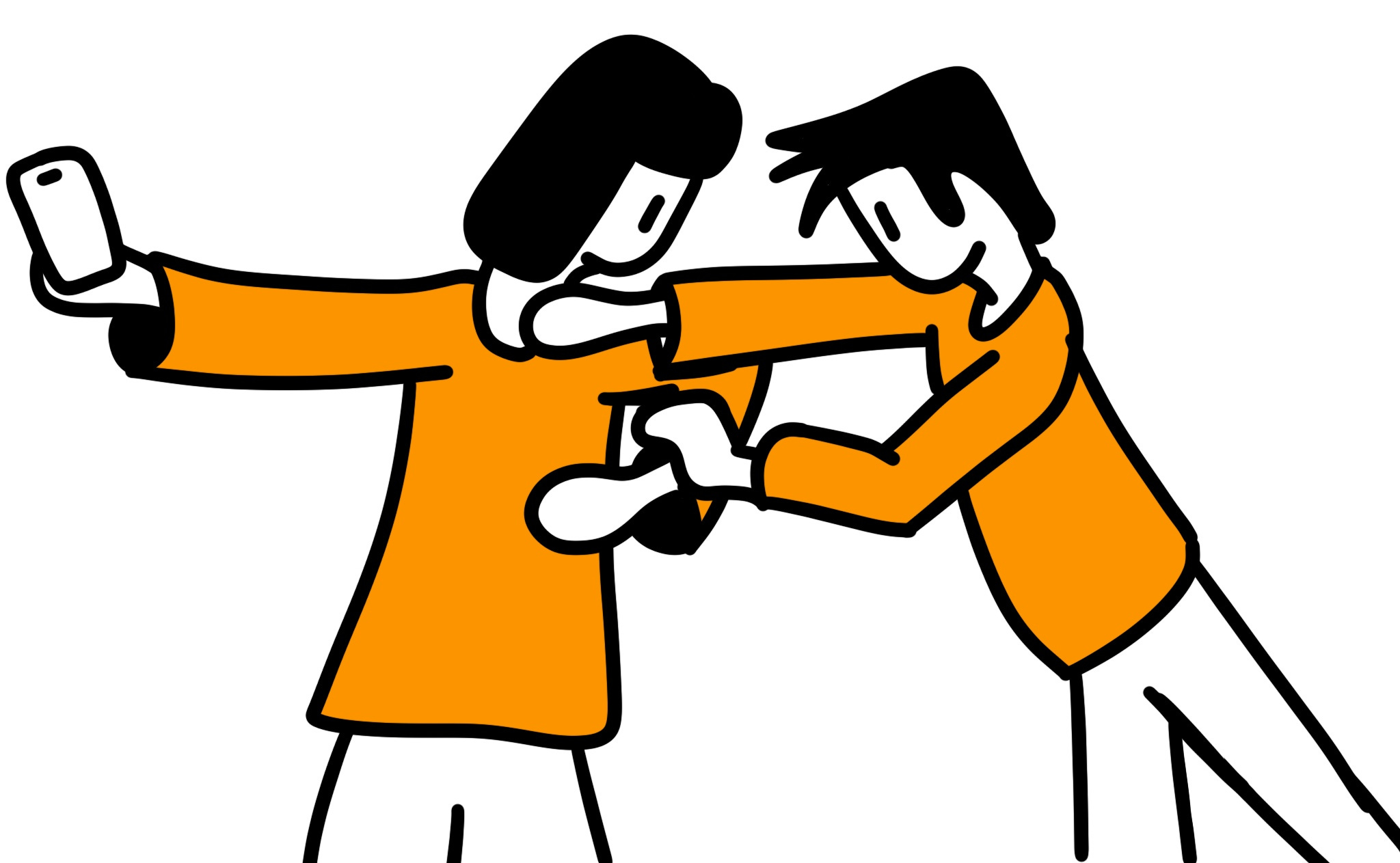
The irony is that by always being “right,” we rob ourselves of discovery. The joy of conversation, like the joy of problem-solving, lives in uncertainty — in the messy, creative middle where ideas collide. That’s where insight hides.
Answers are static; thinking is dynamic. The answer is the full stop at the end of a sentence. Thinking is the paragraph that builds to it. One ends things; the other begins them.
In business, in art, and in life, the best outcomes often emerge from people who refuse to take the shortcut to the answer. They dwell longer in the ambiguity, question their assumptions, and approach the issue from unexpected angles. Steve Jobs was famous for this. When his team at Apple got stuck on a technical problem, he didn’t ask for a fix — he asked for a reframe. “What if we’re asking the wrong question?” he’d say. That single shift of perspective built entire industries.
My lawyer-philosopher friend once told me, “Law is just organized thinking.” So is leadership. So is living. You can buy an answer, outsource it, or Google it — but you can’t outsource the discipline of thought.
Today, when a problem arises, I still hear his voice in my head. Don’t rush. Don’t search. Think. What’s the real issue? What are the alternatives? What’s the why behind the what?
Because in the end, it’s not about the answer — it’s about the architecture of your mind. Answers give you conclusions. Thinking gives you capability.
And in a world full of people chasing the right answer, the real advantage belongs to those still asking the right questions.
Do you go through process when you smash your drive into the pond? Just asking for a friend.